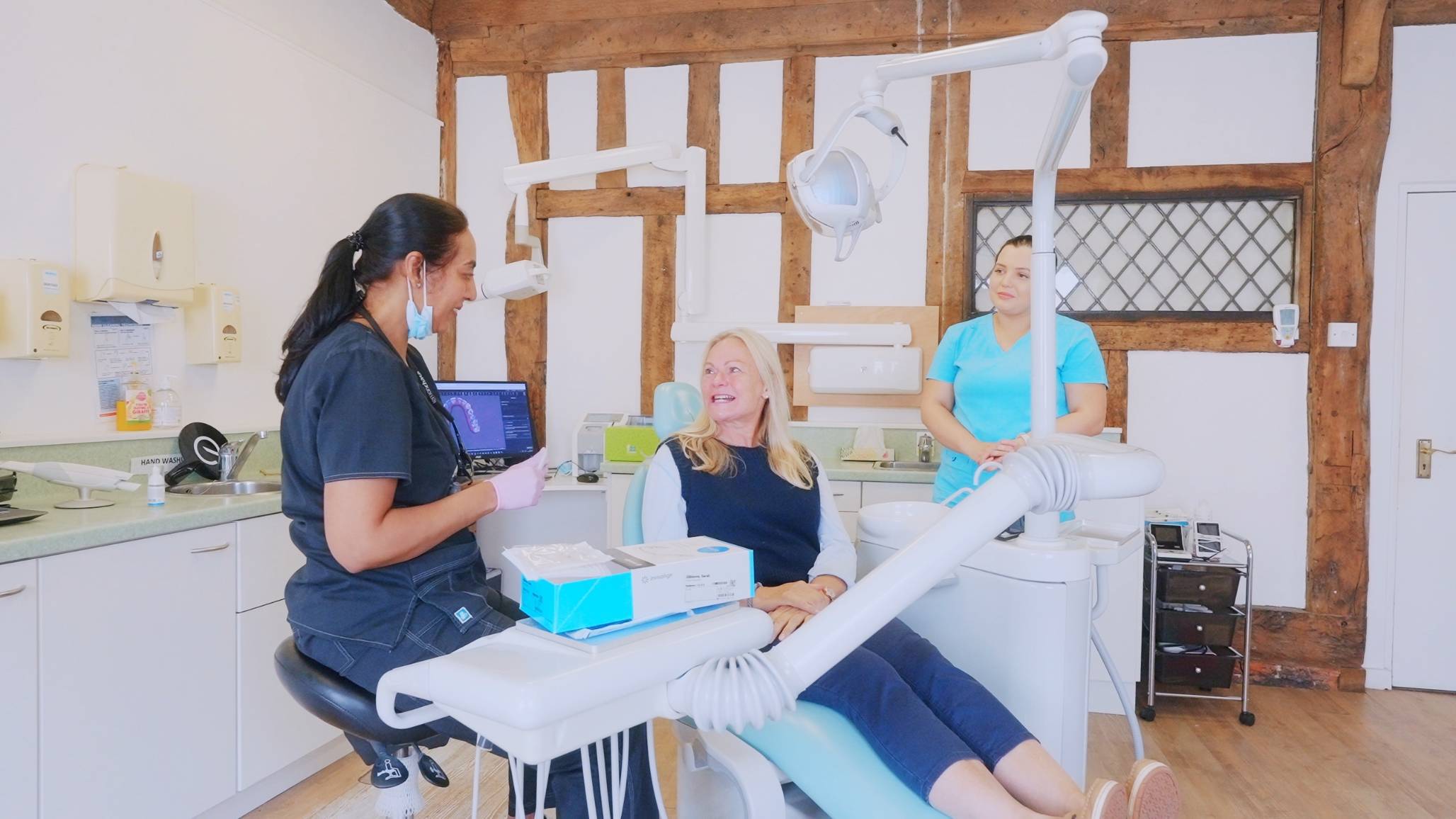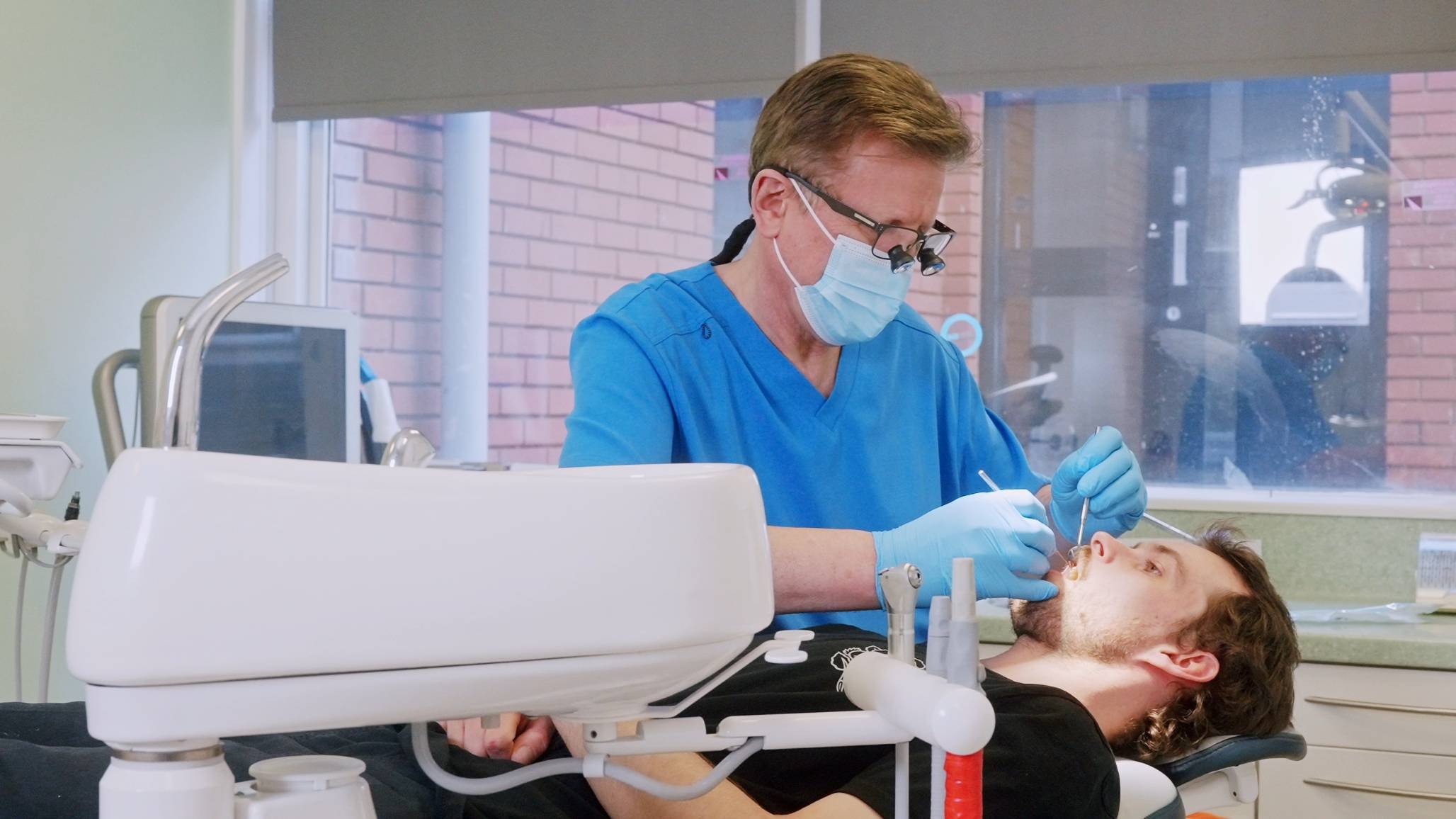
Meeting a new dentist can raise several questions, especially if you have not attended a dental appointment for some time. Your first dental visit is an opportunity to discuss your concerns, undergo a dental examination and gain a better understanding of your oral health. At A&L Clinics in Ipswich, the initial appointment is based on listening to your individual needs and assessing your clinical situation. Knowing what information to provide, what to bring and which questions to ask can help you approach your appointment with greater confidence.

What should you do before your first dental visit?
Preparing for your appointment begins with considering your current oral health and identifying any concerns you would like to discuss. You may have experienced tooth sensitivity, bleeding gums, discomfort when chewing or changes in the appearance of your teeth. Making a note of these symptoms, including when they started and how frequently they occur, can help your dentist understand your situation and identify areas that require further investigation.
Before attending, maintain your usual oral hygiene routine by brushing your teeth and cleaning between them. There is no need to change your daily habits or use additional products specifically for the appointment. If you have not visited a dentist for several years, remember that the purpose of the consultation is to understand your current needs rather than judge your previous dental care habits.
What should you bring to your dental appointment?
When visiting a new dental practice, having relevant information readily available can help the dental team build a more complete picture of your health. Previous treatments, existing medical conditions and current medications may all influence clinical decisions. Preparing these details in advance can also make it easier to answer questions accurately during the consultation.
Useful information and items to bring include:
- An up-to-date list of medications and supplements you take.
- Details of any known allergies or medical conditions.
- Previous dental records or X-rays, if available.
- Information about previous dental treatments or procedures.
- Any removable dentures, retainers or night guards you currently use.
- A list of symptoms, concerns or questions you wish to discuss.
Even if you do not have access to all your previous dental records, you can still attend your appointment. Your dentist will establish which information and diagnostic assessments are necessary based on your individual circumstances. Any additional documentation can be discussed during the consultation.
Why does your dentist need your medical history?
Your general health can influence your oral health and the suitability of certain dental procedures. Conditions such as diabetes, cardiovascular disease and disorders affecting blood clotting may require particular consideration when planning treatment. Providing an accurate medical history allows your dentist to assess relevant clinical factors and take appropriate precautions.
Certain medications can also affect the mouth by reducing saliva production, influencing bleeding or affecting healing. It is therefore important to mention prescribed medicines, over-the-counter products and supplements, even if they appear unrelated to dentistry. You should not stop taking any prescribed medication before your appointment unless instructed to do so by an appropriate healthcare professional.
Should you bring dental X-rays from your previous dentist?
If you have recently undergone dental examinations or treatment elsewhere, your previous X-rays may provide useful information about your teeth and surrounding structures. Comparing earlier images with current clinical findings can help your dentist understand how certain conditions have developed over time. Where appropriate, existing images may also reduce the need for unnecessary repeat examinations.
However, previous X-rays may not always provide the information required for your current assessment. At A&L Clinics, digital radiography and panoramic imaging are available to support clinical investigations when indicated. The decision to take new X-rays depends on factors such as your symptoms, previous dental history, individual risk factors and the quality of any existing images.
What if you feel nervous about visiting a new dentist?
Feeling anxious before a dental appointment is relatively common, particularly following an uncomfortable experience or a prolonged period without dental care. Explaining your concerns to the dental team before or during your appointment can help them understand what makes you uncomfortable. You can also discuss practical adjustments, such as taking breaks or agreeing on a signal to pause the examination.
For patients experiencing significant dental anxiety, different approaches may be considered to support their comfort during care. At A&L Clinics, IV sedation is available for suitable patients following an individual clinical assessment. Sedation is not necessary for every patient, and its suitability depends on medical history, the planned procedure and individual needs.
What questions should you ask your new dentist?
Your initial appointment is an opportunity to clarify doubts about your oral health and understand how to care for your teeth and gums. You might wish to ask whether your current brushing technique is appropriate, whether any existing restorations require monitoring or whether particular symptoms need further investigation. Discussing these topics can help you develop a clearer understanding of your individual preventive care needs.
If your dentist identifies a condition that requires treatment, it is important to understand the reasons behind the proposed approach. You can ask about available alternatives, potential risks, expected treatment duration and any necessary follow-up appointments. Clear communication supports informed decision-making and allows you to participate actively in planning your dental care.
Your first dental visit: starting your dental care journey
Preparing for your initial appointment can make it easier to communicate your concerns and establish a constructive relationship with your new dentist. Sharing relevant health information, discussing previous experiences and asking questions all contribute to a more complete understanding of your oral health.
At A&L Clinics, the first appointment combines clinical assessment, individual attention and clear communication. The aim is to understand each patient’s needs and establish a personalised approach to prevention, treatment and the long-term maintenance of oral health.
📞 01473 287762
💬 +44 7886 010959
✉️ enquiries@aandlclinics.com
📍 9 Lower Brook Street, Ipswich, IP4 1AG